Howdy folks — Glen Blamstead here, reporting from Mora, where the coffee is strong, my left knee has been predicting the weather with more accuracy than anything on channel four, and the yard is currently doing its annual impression of a bowl of oatmeal someone left on the counter too long.
We are in that season. You know the one. Up here, we call it False Spring, though I have also heard it referred to as Third Winter, Fool's Thaw, and a few other things I won't repeat because my mother reads this blog.
Here is how it works. It gets warm. Not summer warm — just warm enough. Warm enough that you start thinking about the garden. Warm enough that someone in the neighborhood washes their truck. Warm enough that the ground softens up and starts making that particular sound underfoot, which means it has officially given up trying to stay frozen. You put your heavy coat away. Not in storage — you're not reckless — but you hang it in the back of the closet instead of by the door. That's the tell. That's when the sky notices.

Then March Reminds You Who's in Charge
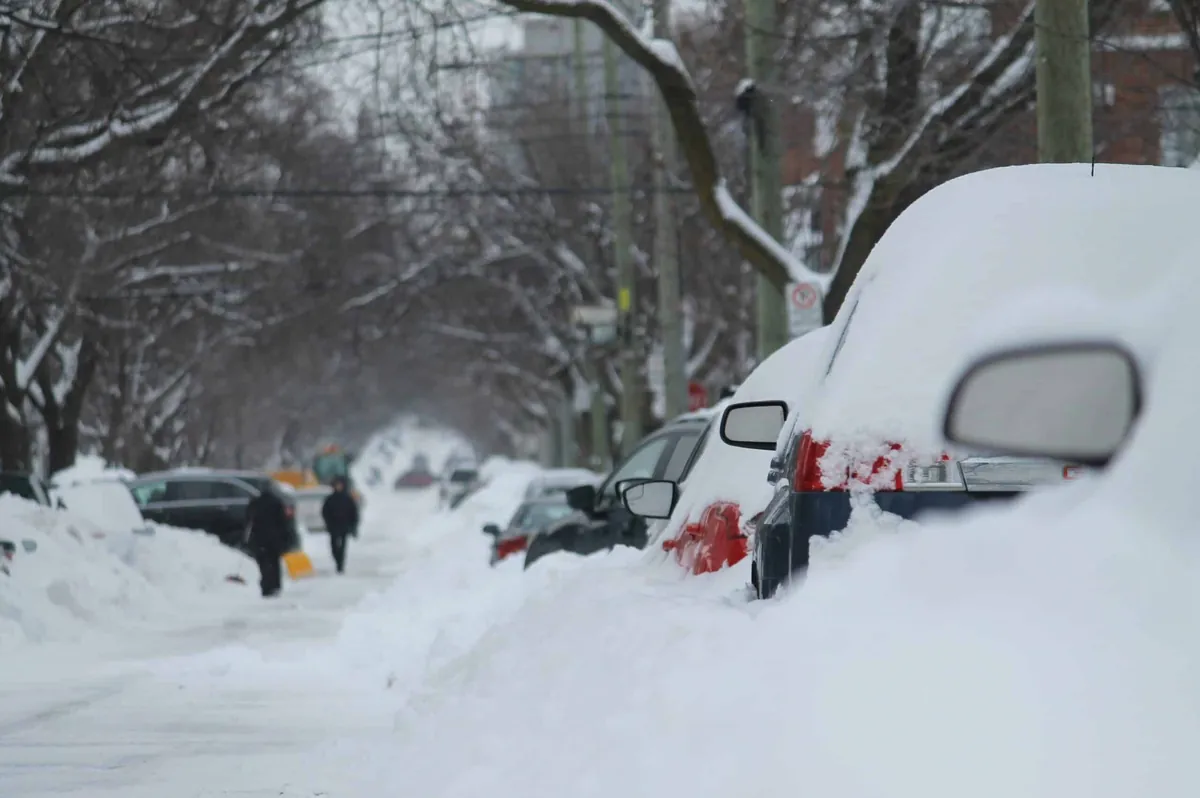
And then it snows. Not a polite little dusting. A real one. The kind that bends things. The kind that came through the Minnesota-Wisconsin corridor last week and reminded everyone within four hundred miles that March does not take requests, does not read calendars, and has never once in recorded history cared what you had planned.
So now we are back to white. Back to cold. Back to that particular brand of Midwest silence that settles over everything after a heavy snow, which sounds peaceful until you realize it's the sound of the universe telling you to sit back down and reconsider your optimism.
But here's the thing — and I say this as a man who has watched this exact sequence play out for going on fifty years — by the end of the week, it'll be in the fifties again. It always is. That's the cruelty of False Spring. It doesn't stay. It never stays. It just passes through every few weeks like a relative who is technically welcome but keeps leaving the door open and eating the good crackers.
What a Sinking Squirrel Taught Me About Life
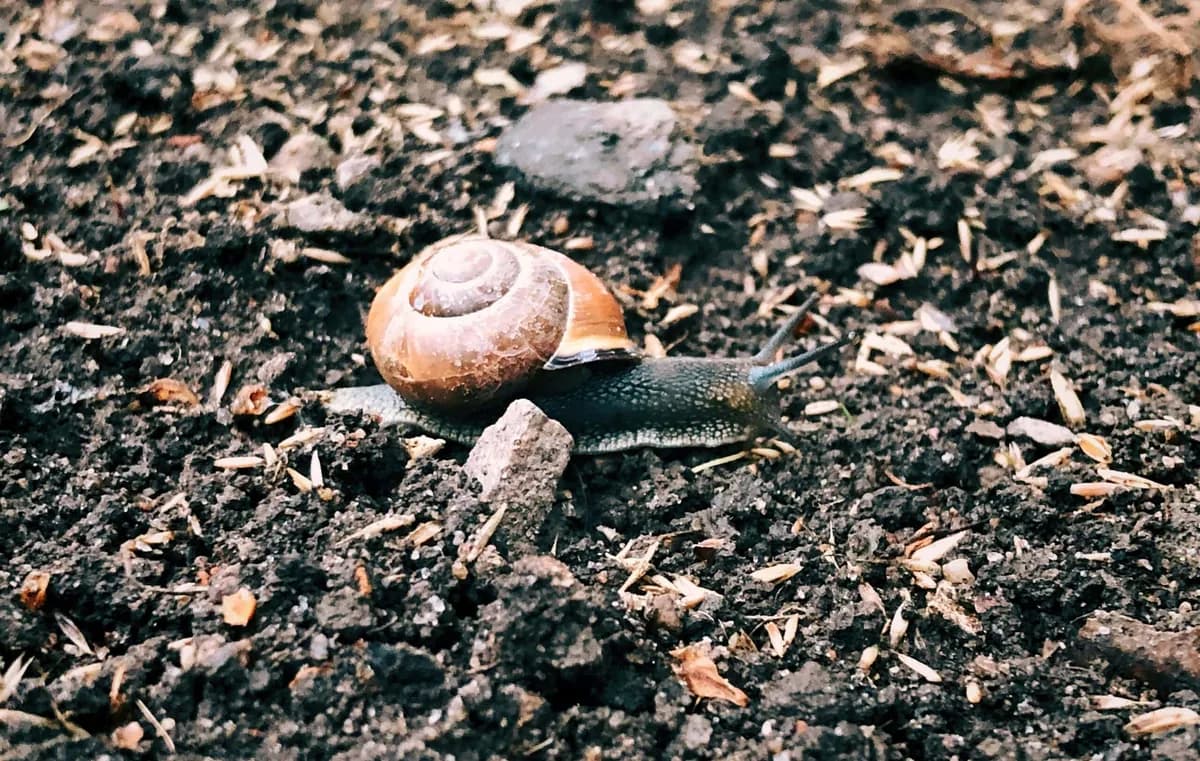
I was watching a squirrel try to cross the yard this morning. It sank. Not dramatically — just enough. Just enough to stop, look down at its own feet with what I can only describe as philosophical resignation, and reconsider its entire morning.
I understood completely.
I told my wife this was making me think about gravity. She gave me the look. Not a mean look — just a practiced one. The look of a woman who has survived forty-some years of marriage to a man who sees construction metaphors in everything, including squirrels, and has developed the self-preservation instinct to leave the room before the second paragraph. She was gone before I finished the sentence. I poured a second cup of coffee and thought about it anyway, because that is what I do and at this point we have both accepted it.
Here is what I concluded: gravity is not the villain people make it out to be. It is not trying to ruin your building or your morning or your lower back. It is simply the most consistent thing in the universe — more consistent than weather forecasts, more consistent than lumber prices, more consistent than any promise ever made at a county zoning meeting. Gravity just does its job, every single day, without complaint, without a lunch break, and without the slightest interest in your schedule.
The problem is not gravity. The problem is the dirt.

The Dirt Has an Opinion, and It Will Share It
Here is something nobody tells you when you are new to post-frame construction, mostly because it sounds like the kind of thing someone says right before they try to sell you something: the most important part of your pole building is not the steel, not the trusses, not the doors, and not the forty-seven conversations you had about the color of the trim.
It is the dirt.
Specifically, it is whether the dirt underneath your building has any intention of staying where you put it. Because here is the thing about dirt — it is not passive. It has opinions. It has ambitions. Given sufficient moisture, organic material, freeze-thaw cycles, and the slow, patient pressure of a Minnesota winter, dirt will move. It will compress. It will shift. It will do whatever it was going to do regardless of what you built on top of it, and it will do it slowly enough that by the time you notice, the situation has become expensive and the sliding door requires a running start.
I have watched this happen to people who were trying to save money on site preparation. I understand the impulse completely. I do not recommend the outcome.
Topsoil Is for Tomatoes
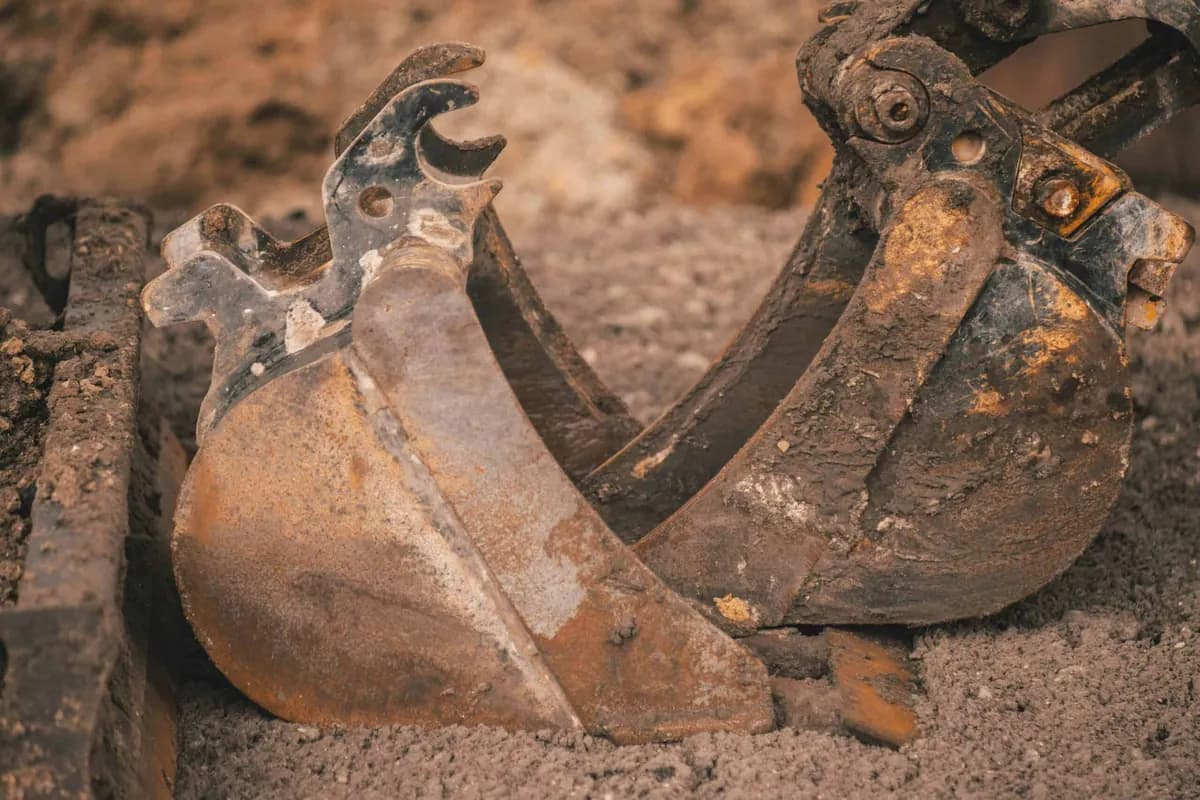
The first thing we do on any Sherman site is have a firm but respectful conversation with the topsoil about the fact that it needs to leave.
Topsoil is a wonderful thing. It grows gardens. It supports ecosystems. It is full of organic material that, at this very moment, is breaking down into something smaller, which is beautiful if you are a composting enthusiast and catastrophic if you have a building sitting on top of it. Organic material compresses as it decomposes. Compressed material sinks. Sinking material takes your building with it, one millimeter at a time, until one day your doors don't close and your walls have developed a lean that your friends are too polite to mention.
So we remove it. We dig down until we hit subsoil — the dense, unambitious mineral layer that has no interest in becoming anything other than what it already is. That is the dirt we want. The dirt that has already made its peace with existence and has no further plans.
The Pad: A Meditation on Compaction
Once we reach the good, honest subsoil, we bring in structural fill — sand or compactable gravel, depending on the site's requirements — and we build what we call a pad. This sounds simple. It is not simple. It is deliberate.
We do not dump the fill and pack it down in one heroic effort. We lay it in thin layers and compact each one individually before the next goes on, which is either a lesson in patience or a metaphor for how anything worth building actually gets built. Probably both. I have had a lot of time to think about this.
The goal is a pad so uniform and dense that the ground underneath your building has no remaining ambitions. No settling. No shifting. No quiet overnight decisions to redistribute itself in a direction you didn't approve. By the time we are done, that pad will outlast the building, the contractor, and most of the philosophical conclusions I have reached about gravity.
The Frost Line: Non-Negotiable in Minnesota
I want to be clear about something, and I want to say it in the tone of a man who has watched frost heave do things to a building that would make a structural engineer weep into his coffee.
The frost line is not a suggestion.
Up here in Mora, the ground freezes. When it freezes, it expands. When it expands around a post that is not buried deep enough, it grabs that post the way Minnesota grabs February — completely, without apology, and with no indication of when it plans to let go. We call this frost heave. It will push your posts upward. It will pull your trusses sideways. It will introduce your building to a structural vocabulary it was never meant to learn.
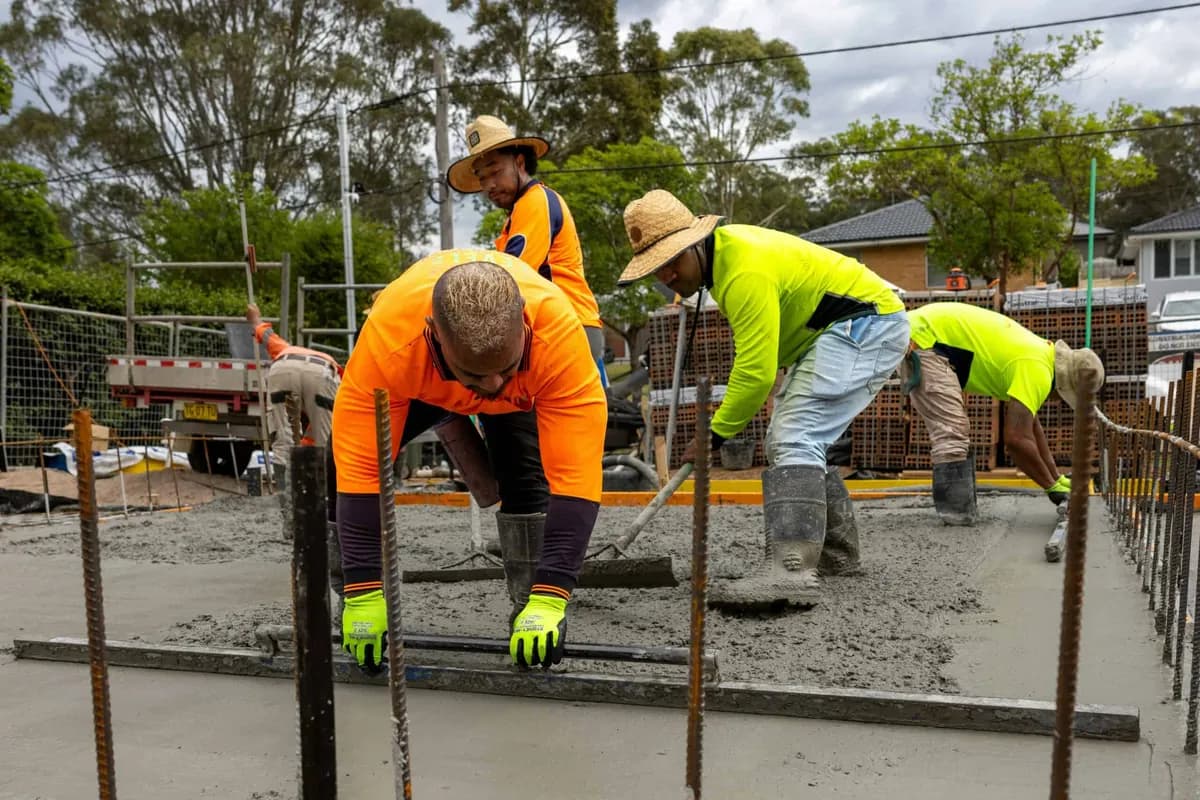
Every post we set goes below the frost line. There is a concrete footing at the bottom of the hole, which is the post's way of shaking hands with the part of the earth that does not freeze. Up at the surface, the frost can do whatever dramatic seasonal thing it needs to do. Down at the base of that post, it is quiet, still, and deeply uninterested in moving anything.

Frost line
Water Is Lazy and Will Absolutely Take Advantage of You
Water, philosophically speaking, is the most honest thing in nature. It makes no claims about where it is going. It does not pretend to have ambition. It simply finds the lowest available point and sits there, with the serene confidence of something that knows it has nowhere better to be.
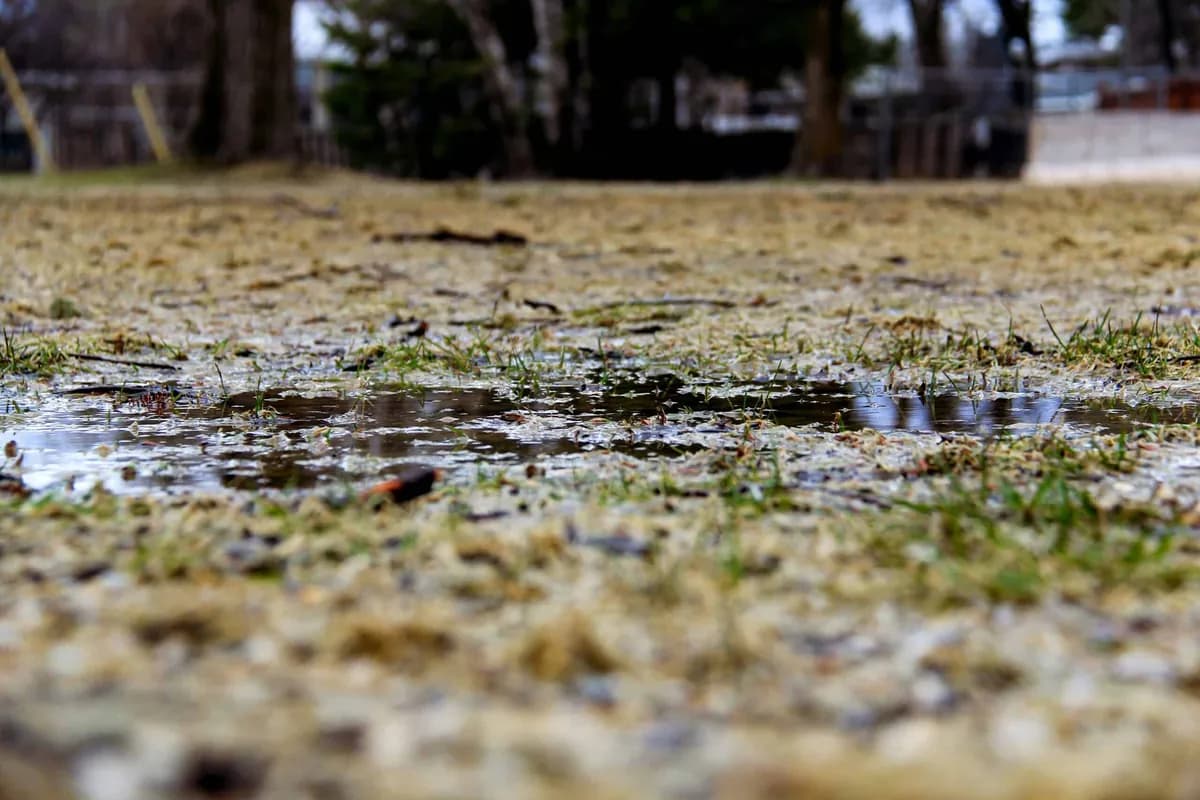
This is charming in a river. It is considerably less charming pooling around the base of your posts, softening the soil, reducing its load-bearing capacity, and quietly undoing several thousand dollars of site preparation over the course of a few wet springs.
So we grade the site away from the building. Every time. Without exception. We want the water moving toward the road, toward the ditch, toward anywhere that is not your foundation. Proper drainage is not a finishing touch. It is a decision that gets made before the first post goes in the ground, and it is one of those decisions that you either make deliberately or the water makes for you.
The Part Nobody Photographs
The dog needs to go out. I can hear him reconsidering the mud situation from the back door, which tells me he is smarter than the squirrel.
I want to leave you with this: the most important work we do on any post-frame building project is the work that happens before the building exists. The clearing, the grading, the compaction, the footings — none of it photographs well. None of it makes it into the before-and-after gallery. It looks, from the outside, like a lot of people moving dirt around for several days before anything interesting happens.
But that is the work that decides whether your building is standing straight and true in thirty years or whether it has developed, slowly and expensively, the structural equivalent of a bad attitude.
Don't skip it. Don't negotiate with it. Don't let anyone talk you out of it by pointing enthusiastically at the steel.
Until next time — keep your posts plumb, your boots somewhere you can find them, and your heavy coat within reach. Because March is not done with us.
— Glen Blamstead