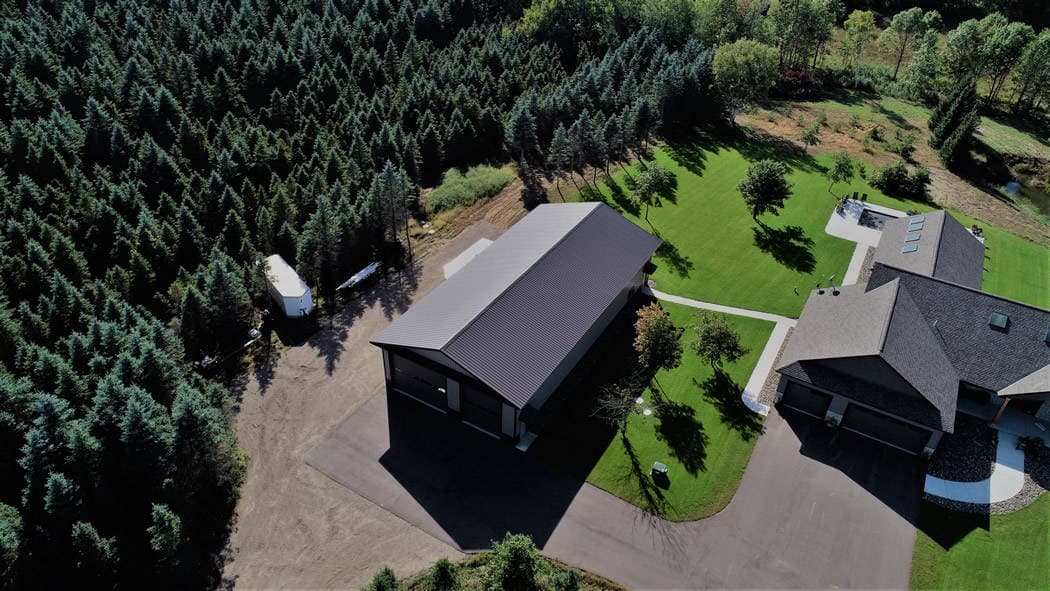
Understanding Attainable Housing
Attainable housing serves moderate-income families. These are households that earn too much to qualify for aid and not enough to buy at market rates. Attainable housing fills that gap. It gives tradespeople, young professionals, teachers, and nurses a place to live in the towns where they work, even as prices climb.
Cost is only part of the picture. A home also has to sit near jobs and services, and it has to be well built and comfortable to live in. Look at all three and the problem comes into focus.
The Journey and Affordable Housing Challenges
Attainable housing is hard to build. Land is expensive. Rules are strict. Few incentives point a developer toward this middle of the market. In many towns demand far outruns supply, so prices rise out of reach.
Zoning is a large part of it. Older ordinances limit where housing can go and what kind can be built. Fixing that takes cities, developers, and neighbors working the same problem. Public-private partnerships and better policy can widen the range of homes people can actually buy.
The Impact of Zoning on Housing Availability
Tight zoning makes it hard to build enough homes for a growing population. The rules cap what can be built on a lot. They often rule out duplexes, small apartment buildings, and accessory units, which are the very types that come in at a lower price.
Zoning reform is how supply grows. Allow more density and mixed use, and you get more homes plus streets people can walk. Flexible rules also make room for a wider mix of housing types. That is how a shortage eases and how prices come back within reach.
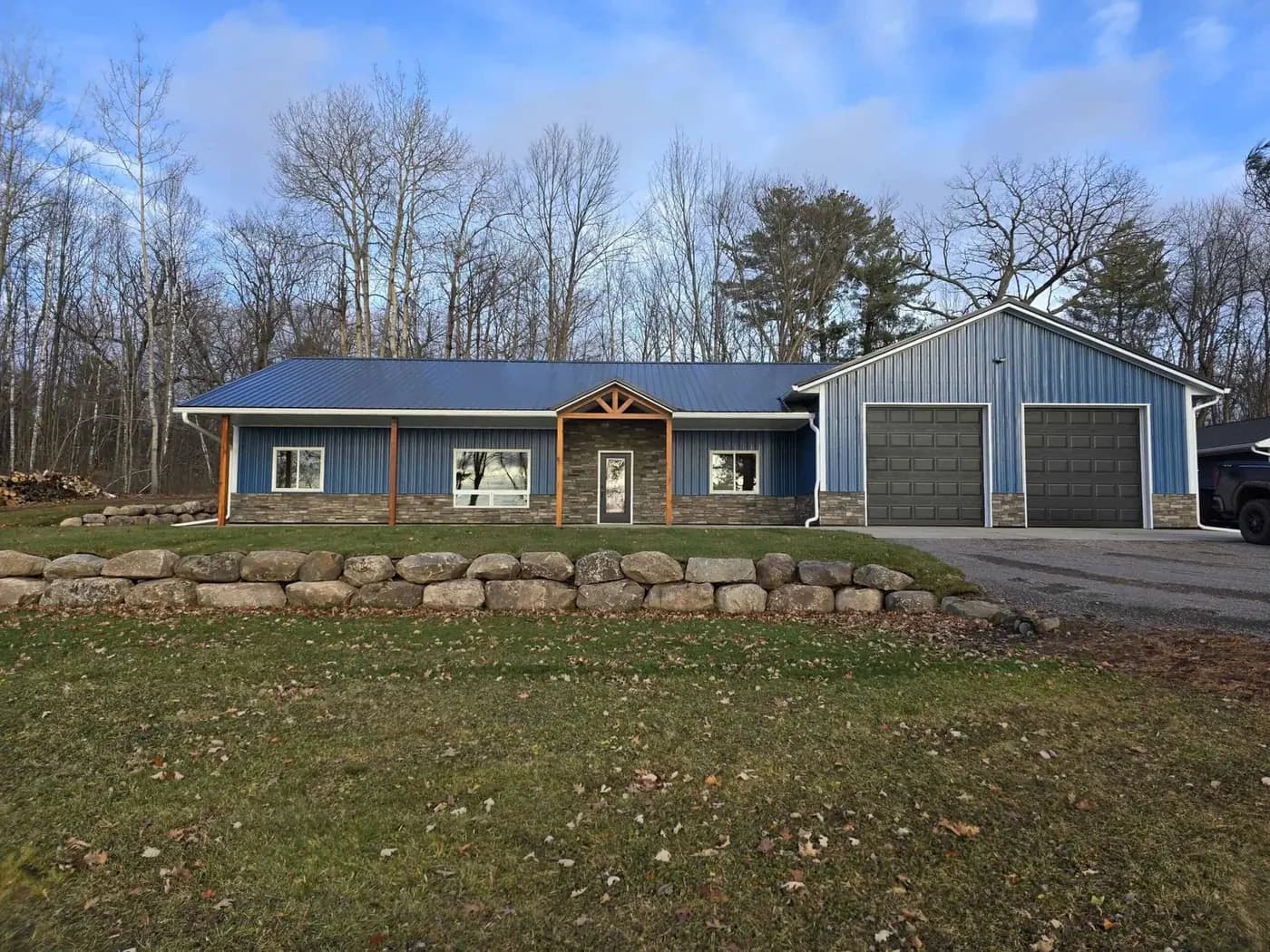
Navigating Financial Barriers to Attainable Housing
The money side is hard too. Funding is limited, construction costs keep rising, and few incentives reward this kind of project. Standard financing is built for either market-rate housing or subsidized housing. Attainable homes sit between the two, so they fall through the middle.
That gap needs other tools. Public-private partnerships and community land trusts can supply the capital. Tax credits and subsidies can make the math work for a builder. Close the financing gap and more of these homes get built.
Land Availability and Its Role in Housing Challenges
Land is the other constraint. In and near cities, sites for new housing are scarce, and the scarcity drives up what each lot costs. Zoning that favors single-family homes tightens the squeeze further, because it caps how many homes a site can hold.
Cities have room to move here. Vacant lots, surplus parcels, and empty buildings can carry new housing. Rules that allow mixed use and more density get more homes out of the same land. Both steps stretch scarce land further and bring more homes within reach.
Frequently Asked Questions
Why is land such a large share of the cost?
Local zoning sets minimum lot sizes and density limits, and those rules decide how much land each home has to carry. Where buildable land near jobs is scarce, that cost stays in the project. No amount of design work removes it.
What are the main financial barriers?
Three things: the interest carried during construction, the cost of roads and utilities, and the gap between what a moderate-income buyer can pay and what the build actually costs. These homes are not income restricted, so they fall outside the programs written to close that gap for affordable housing.
Does the construction method help?
It helps with part of the cost. Methods that shorten the schedule or move work indoors cut labor exposure and weather risk. Land, site work, utilities, and financing do not change. That is why the construction method alone cannot solve attainability.