Howdy folks — Glen Blamstead here, reporting from Mora, where the coffee is strong, the philosophical mood has arrived uninvited, and my wife has already left the room because she knows what happens when I get that look on my face.
I've been thinking about time.
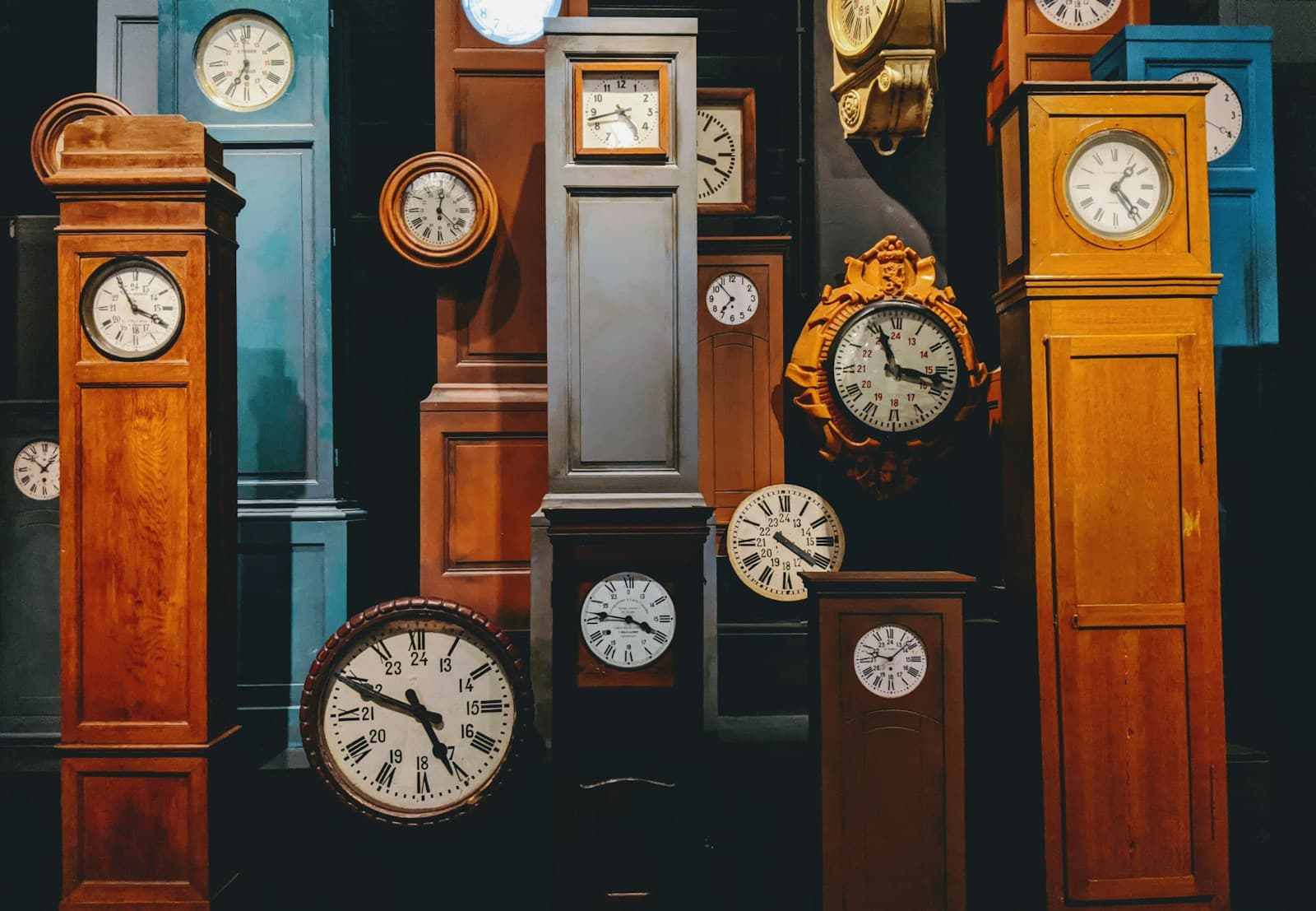
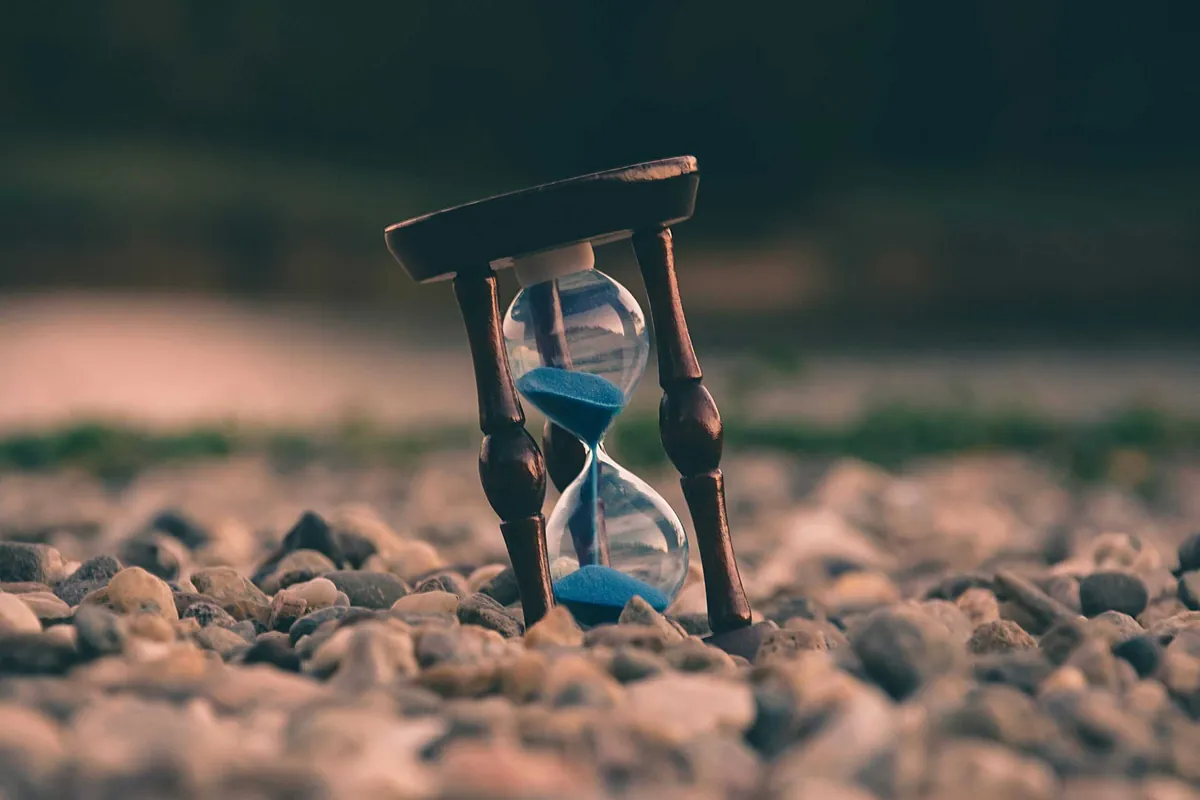
Not in a productive way. Not in a "let me check the schedule and figure out sequencing" way. In the other way. The way you're standing in the yard at six-thirty in the morning, coffee in hand, watching absolutely nothing happen, and you suddenly realize that time is the only thing standing between you and everything occurring simultaneously.
Think about that for a second. If time stopped doing its job, everything would happen at once. Breakfast. Bedtime. The Vasaloppet of 1987, where I made a decision involving a borrowed tractor that I have never fully explained to anyone. All of it. Right now. Simultaneously.
I don't know about you, but I find that exhausting just to contemplate.

The Part Where I Explain Why I'm Like This
My wife thinks I do too much thinking for a man whose primary job involves columns and steel. She's probably right. But here's the thing about spending fifty years in pole barn construction: you have a lot of time standing around waiting for things to cure, set, dry, or arrive. And a mind left to its own devices on a job site is a dangerous piece of equipment without adequate supervision.
I didn't choose philosophy. Philosophy wandered onto the job site one Tuesday and never left. It just stands there in the corner now, wearing a hard hat it doesn't need, occasionally pointing at things and asking "but why, though.
Why does sequence matter? Why does one thing have to come before another? Why can't everything just happen when it's ready?
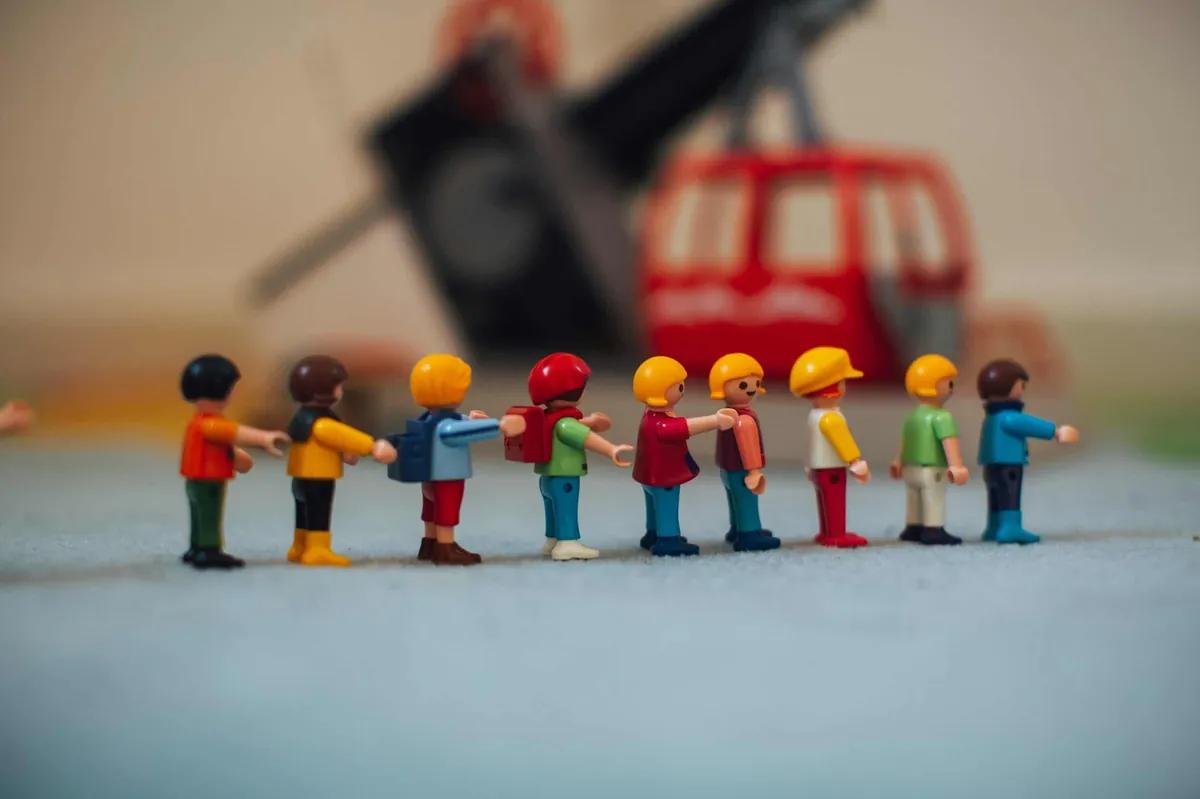
Because if it did, we'd all be buried under an avalanche of simultaneous events with no way to sort them out. That's why. Time is the sorting mechanism. Time is the part of the universe that looked at the raw chaos of everything that needs to happen and said, "Alright. Line up. One at a time. No pushing."
I respect that. Deeply.
My Personal Theory of Time, Which No Physicist Has Asked For
Here is what I believe about time, based on zero formal study and approximately fifty winters in Minnesota:
Time moves at the speed of whatever you're doing.
If you're doing something you love — building a structure, watching a project come together, sitting in a fishing boat at five in the morning with a thermos of coffee and no responsibilities — time moves like water through a screen door. Gone before you noticed it was there.
If you're doing something you don't love — waiting on a permit, sitting in a meeting where everyone is explaining things that could have been an email, listening to someone describe their dreams in detail — time slows down to a pace that suggests it may have developed structural issues of its own.
This is not Einstein's relativity. Einstein was a much smarter man than I am, and I'm reasonably certain he didn't arrive at his conclusions while standing on a job site in January, wondering where he left his other glove. But I maintain that what I have described is a real phenomenon, and I will defend it.
The universe is not indifferent to what you're doing with its time. It pays attention. It adjusts accordingly. I don't know why. I just know that every hour I've spent doing something I didn't want to do has been roughly three hours long, and every good Saturday has lasted about forty-five minutes.
The Trouble With Doing Everything at Once
People try to beat time regularly. I have watched them do it. I have occasionally been one of them.
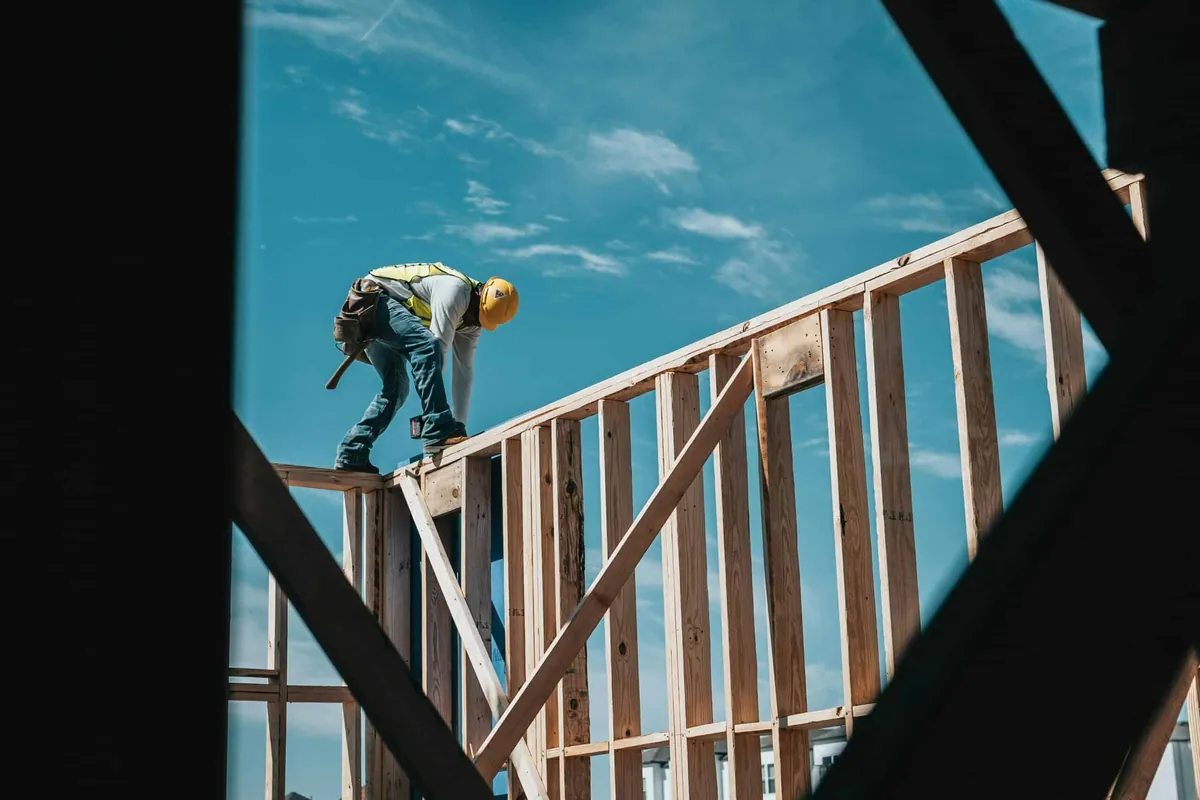
You know the type. The person who decides the project that should take eight months can take four if you just do more things simultaneously. You run the electrical before the framing is done. You order materials before the design is finalized. You schedule the crew before you have the permit. You announce a completion date before you have checked with anyone or anything, including the weather, the supply chain, or basic physics.
And then everything arrives at once.
The crew shows up. The permit isn't ready. The materials are in the field. The design changes. The weather participates in ways nobody approved. And suddenly you're not saving time — you're standing inside a demonstration of exactly what happens when time's management system breaks down, and everything tries to happen simultaneously.
It is not efficient. It is the opposite of efficient. It is a reminder that time wasn't the obstacle. Time was the traffic system, and you drove the wrong way down a one-way street and are now surprised by the horns.
I've made this mistake. I won't tell you how many times, because the number is character-building in retrospect but embarrassing in the present. What I will tell you is that every time I've tried to outmaneuver sequence, sequence has had the last word. It always does. The sequence is very patient. It has been doing this longer than any of us.
What the Muskrats Understand That Most People Don't
There is a muskrat that lives near the pond behind my property. I have been observing this muskrat, casually and without any particular agenda, for several years now. His name is Gerald. I named him. My wife says this is concerning behavior. I say it's field research.
Gerald does not rush.
Gerald does things in the order they need to be done. He builds his lodge when it's time. He forages when it's time to forage. He does not appear to experience anxiety about the future or regret about the past. He is entirely present in whatever Gerald is doing at the moment Gerald is doing it.
Now, Gerald is a muskrat, and I want to be careful about over-indexing on the wisdom of a semi-aquatic rodent. He has not built any barns. He does not have opinions about truss engineering. He has never, to my knowledge, filed a permit application or discussed door swing direction. His perspective is limited.
But on the subject of time — on the subject of doing one thing, and then the next thing, and not trying to do twelve things simultaneously because you're anxious about the order — Gerald is running laps around most of us. Including, on a significant number of occasions, me.

The Part Where This Comes Around to Pole Barn Construction (You Knew It Would)
I cannot write a blog post without eventually connecting it to pole barn construction. It's not a choice at this point. It's a reflex. Fifty years will do that.
Here's the connection: building things well is an argument for time. Not for taking forever. Not for unnecessary delay. But for respecting the order of things. For understanding that the project will be done when it's done right, and that trying to collapse sequence into a single moment doesn't produce a faster building — it produces a worse one.
Sherman Buildings has been doing this since 1976. We've put up a lot of structures in that time. The ones we're proudest of are those in which time was treated as a collaborator rather than an obstacle. Where each phase had room to happen correctly before the next one began. Where nobody decided that physics was optional because the calendar said so.
That's not a sales pitch. It's just what I've learned from standing on enough job sites, watching enough things go right and wrong, and thinking way too hard about it afterward.
Time is what keeps things from happening all at once.
In construction, in life, and apparently in blog posts — that turns out to be exactly what you need.
— Glen Blamstead:Still building. Still thinking. Still not entirely sure Gerald the muskrat isn't onto something.