

When people think about building a home, quality control probably isn't the first thing that comes to mind. You're thinking about floor plans, lot size, and kitchen finishes. But how a home gets built — and who's checking the work along the way — has a surprisingly big impact on how that home performs over time. For buyers considering modular homes in Minnesota, this is one of the most underappreciated parts of the whole process, and it's worth understanding before you make any decisions.</b>
Quality Looks Different When the Build Moves Indoors
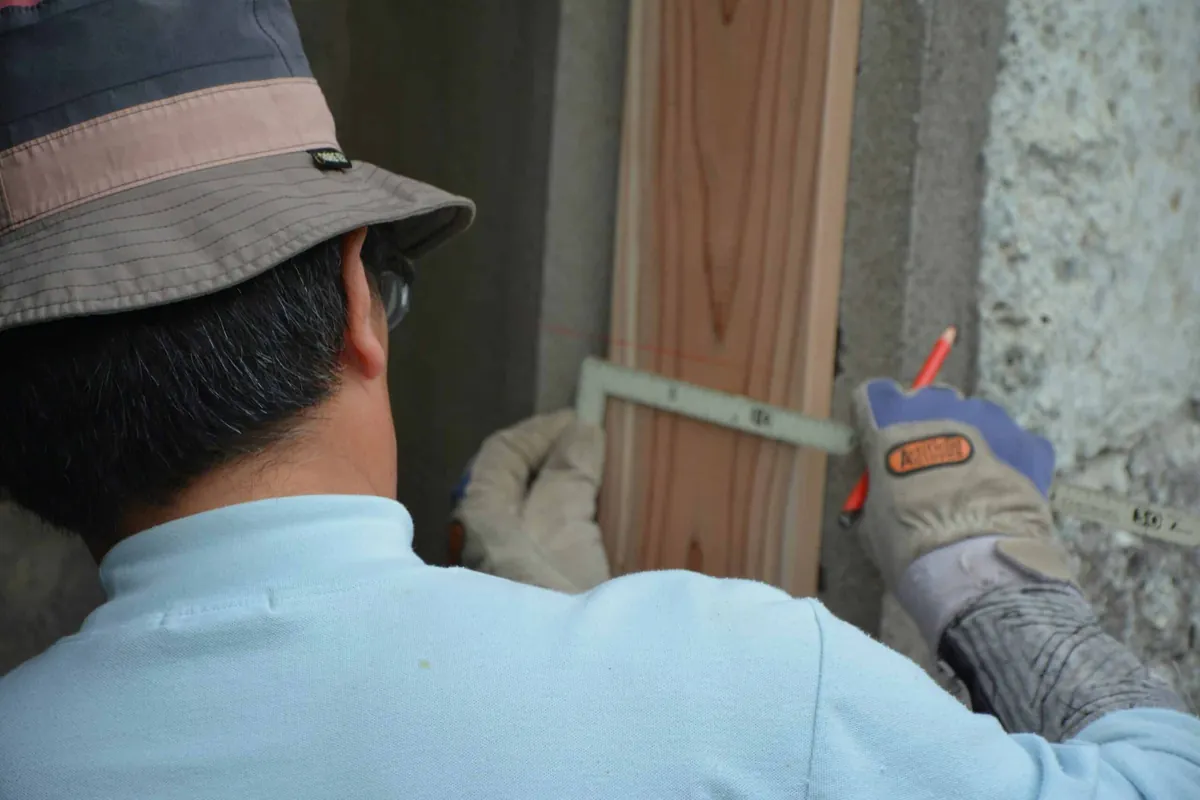
With any type of home construction, inspection is part of the process. But the way that inspection happens varies quite a bit depending on how the home is built. In traditional construction, a municipal inspector comes out at key milestones — framing, rough mechanical, insulation, final occupancy — and reviews what's been done up to that point. It's a solid system, and it works. But it's also a snapshot: the inspector sees the outcome at a specific moment, not the work as it's happening.
Modular construction works differently. Because the home is built inside a factory, each module moves through defined build stations — floor systems, wall framing, roof structure, mechanical rough-in, insulation, interior finishing — and quality checks happen at each stage before the module moves to the next. Problems get caught and corrected at the point where they originate, rather than after subsequent work has already been completed on top of them. It's just a more continuous kind of oversight.
/>th="1024" />ight="" />="683" />></p>
<h2 class="yoast-text-mark">ss="p3">Minnesota Has Its Own Factory Inspection Layer
lass="">="p1">In Minnesota specifically, modular factories are required to wor
k with a sta
te-approved third-party inspection agency — and that inspector isn't just stopping by occasionally. They're stationed at the facility during production, reviewing work against the same building codes that apply to any site-built home in the state. Every module that leaves the factory carries a data plate and documentation package confirming it was inspected and approved. That paperwork travels with the home to your building site and is part of what allows it to be permitted, <span class="s1">financed, and appraised the same way any traditionally built home would be.</p>
That's a level of documentation that most homebuyers
never think to ask about — but it's actually a meaningful indicator of how seriously the quality process is taken at the manufacturing level.

The Elements That Benefit Most from a Controlled Environment
Certain parts of home construction are just easier to do well when you're not working outside. Insulation is a good example. Getting consistent coverage and the right density is more achievable in a climate-controlled setting than on a job site where temperature swings, humidity, and the general chaos of multiple trades working simultaneously can introduce variability. The same goes for air sealing — all the careful taping and sealing of penetrations that determine how a home holds heat. In Minnesota, where winters are long and heating bills are real, the quality of that envelope work compounds over decades.
Structural fastening is another area where the factory environment lends itself to precision. Nailing patterns, sheathing attachment, and connector hardware — these are completed by crews who do the same tasks repeatedly in a stationary setting. And because factory construction tolerances tend to be tighter than those of outdoor framing, the seams where modules are joined on-site fit together more cleanly, which means less remediation work during the finish phase.</p>
s="p2">There's also the matter of the materials themselves. Lumber and engineered wood that are incorporated into a building while they're
still at controlled moisture levels are simply less prone to shrinkage, warping, and nail pops that can happen when framing materials are exposed to rain, snow, and wide temperature swings before a structure gets dried in. Given that Minnesota's building season is compressed and the weather can be unpredictable, that matters more here than in a lot of other states.</b>
<img />s="aligncenter size-large wp-image-14214" />rc="https://shermanpolebuildings.com/wp-content/uploads/2026/02/gary-fultz-KFhadTzGWOA-unsplash-1024x683.jpg" alt="Minnesota winter snowstorm" width="1024" height="683" />
<h2 class="">="p3"><b>What the Factory Can't Control — and Why That Matters Too</h2>
<p>ass="p2">Here's something worth being honest about: the factory quality process governs the modules, not what happens after they're delivered.
A modular home that's built to high factory standards can still run into problems if the site work doesn't account for local conditions. In Minnesota, that means things like frost depth requirements, soil behavior through freeze-thaw cycles, and sequencing site work around a compressed building season. It also means finishing the home in a way that preserves the thermal performance the factory already built into the modules — rather than inadvertently introducing gaps or moisture pathways during the on-site phase.
This is where having a builder with real Minnesota experience becomes directly relevant to the quality of what you end up with — not just how smoothly the project runs. Sherman Buildings has been doing construction work across Minnesota since 1976, and that kind of tenure translates into site-specific knowledge that's genuinely hard to replicate. They manage modular projects as a full general contractor, which means the oversight that started at the factory continues through site prep, foundation work, module set, and final completion. For buyers who care about quality at every stage, that continuity makes a real difference.
<img class=""</p" />
What 'Quality Built Modular Homes' Actually Means
There's a pretty common assumption that the more custom and hands-on a build is, the higher the quality ceiling. Modular constructi
on challenges that assumption in some interesting ways. The inspection infrastructure built into factory production — continuous oversight, stage-by-stage checkpoints, documented approvals — creates conditions where consistency is systematically easier to achieve. That doesn't make modular the right choice for every buyer or every project — Sherman also builds ef="https://shermanpolebuildings.com/barndominiums/">barndominiums and other custom structures for buyers whose needs point in a different direction — but it does mean the quality conversation is more nuanced than most people realize going in.
>For Minnesota buyers especially, it's worth taking the
time to understand what's actually happening inside a modular factory before writing it off as a shortcut. In a lot of cases, it's actually the more carefully monitored path. If you're curious whether it's the right fit fo
r your situation, get</span>ting started with a conversation</a> is a low-pressure way to find out.