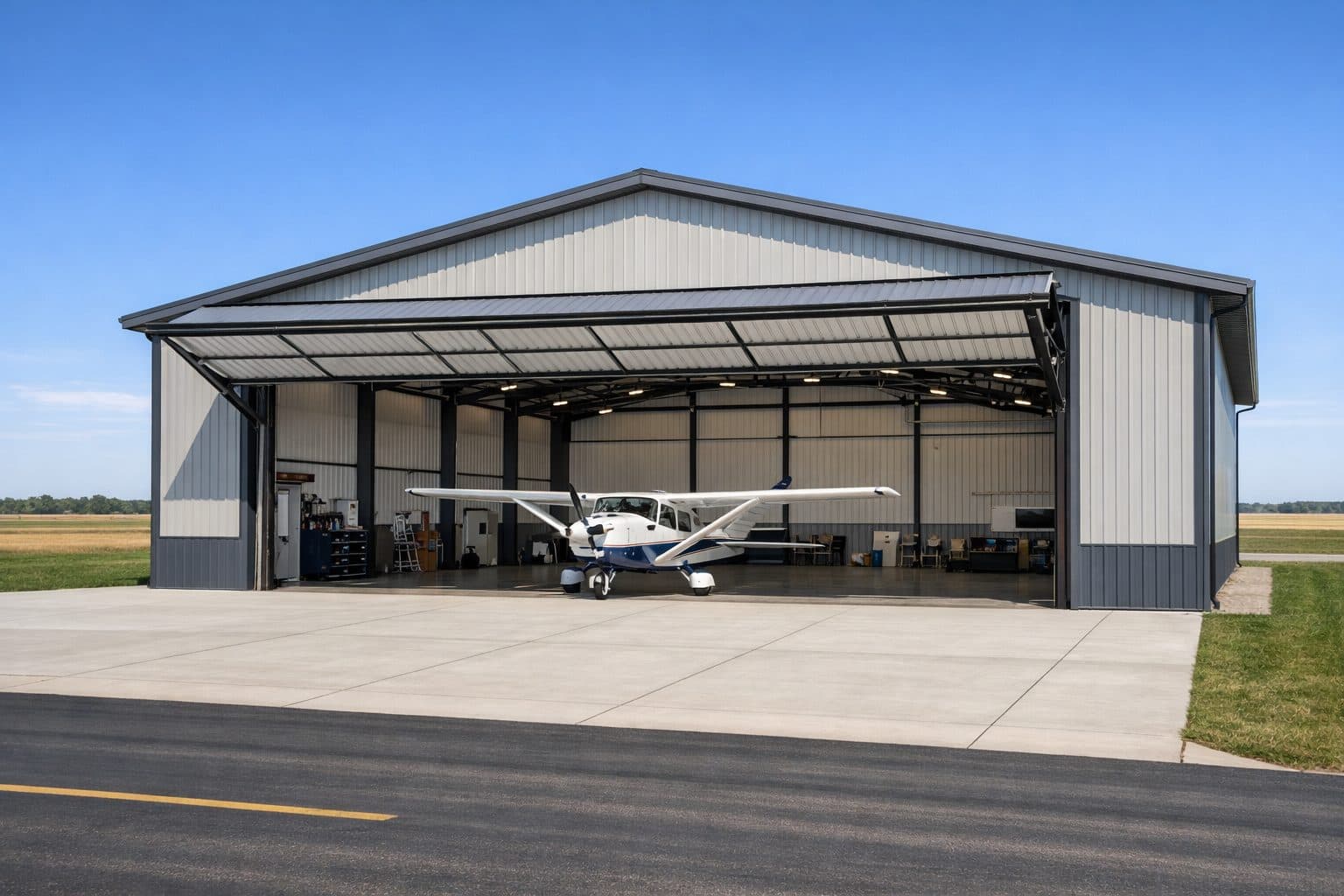
Part of our Pole Barns collection →
Pole Barn vs. Stick-Built Construction
How post-frame and conventional construction compare on cost, speed, insulation, and durability.
Quick verdict
For most shops, garages, agricultural buildings, and many homes in Minnesota, post-frame (pole barn) construction is faster and less expensive per square foot than stick-built, while delivering equal or better durability. Stick-built still makes sense for multi-story structures, tight infill lots, and projects where a poured full basement is non-negotiable. The right choice depends on your span, your site, and how much finished living space you need.
New to the category? Start with what a pole building actually is — pole barn, pole building, and post-frame all describe the same method, and the explainer walks through how the framing goes together before you weigh it against stick-built.
Pole Barn vs. Stick-Built: Side-by-Side
| Factor | Pole Barn (Post-Frame) | Stick-Built |
|---|---|---|
| Cost per square foot | Lower — fewer materials and less labor | Higher for comparable size |
| Build speed | Faster — the shell encloses in days | Slower — framing takes weeks |
| Clear-span interior | Yes — wide open, no load-bearing walls | Limited without steel or engineered beams |
| Foundation | Posts/piers or slab; full basement optional | Typically full footing + foundation wall |
| Insulation potential | Deep wall cavities — easy to exceed code | Standard stud-cavity depth |
| Best for | Shops, garages, ag buildings, barndominiums, single-level homes | Multi-story homes, tight lots, full basements |
| Financing | Financeable as a permanent residence when code-built | Conventional and widely understood |
When to Choose Post-Frame, and When to Choose Stick-Built
Choose post-frame when you want the most usable space for your budget, a fast enclosure, and an open floor plan. It is the clear value choice for shops, garages, machine sheds, barndominiums, and single-level homes — anywhere a wide, column-free interior and deep insulation matter.
Choose stick-built when you need multiple full stories, a complex roofline on a small footprint, or a traditional full basement is the priority. On tight urban lots where a conventional foundation and vertical living space are the goal, stick framing can be the better fit. Sherman Buildings can help you weigh the trade-offs honestly for your specific project.
Pole Barn vs. Stick-Built FAQ
Is a pole barn cheaper than a stick-built building?
In most cases, yes, on a cost-per-square-foot basis. Post-frame construction uses fewer materials and less labor than conventional stick-built framing of the same size, and the open interior gives you more usable space for the same footprint. Final cost always depends on your site, finish selections, and how much of the building is finished living space.
Are pole barns as durable as stick-built homes?
Yes. A properly engineered post-frame building — pressure-treated ground-contact columns, steel roofing, and a sealed building envelope — regularly lasts 50+ years. Sherman Buildings has built post-frame structures since 1976, and many of our earliest pole barns are still in service with their original roofs.
Can a pole barn be insulated as well as a stick-built house?
Yes, and often better. Post-frame walls have deep cavities — frequently 8 to 12 inches — that hold far more insulation than a standard stud wall. Combined with a quality vapor barrier and a sealed envelope, a post-frame home can be exceptionally economical to heat through a Minnesota winter.
Can you get a mortgage on a pole barn home?
Yes, when it is built on a permanent foundation and permitted as a single-family residence. Sherman works with Acorn Finance and HFS Financial, both of which have lending products set up for post-frame homes, and our team can walk you through the paperwork lenders ask for.
Which is faster to build, a pole barn or stick-built?
Post-frame is faster. Because the structure relies on large engineered posts spaced several feet apart rather than continuous stud framing on a full foundation, the shell can be enclosed in days. Most of the overall timeline after that is driven by interior finishing, not the framing.
Not Sure Which Is Right for You?
Talk with a Sherman Buildings specialist about your project, your site, and your budget. We will give you a straight answer on which construction method fits best.
Explore More Building Types
Sherman Buildings has been building quality post-frame structures for 50 years. Browse our full range of homes and pole buildings.
Homes
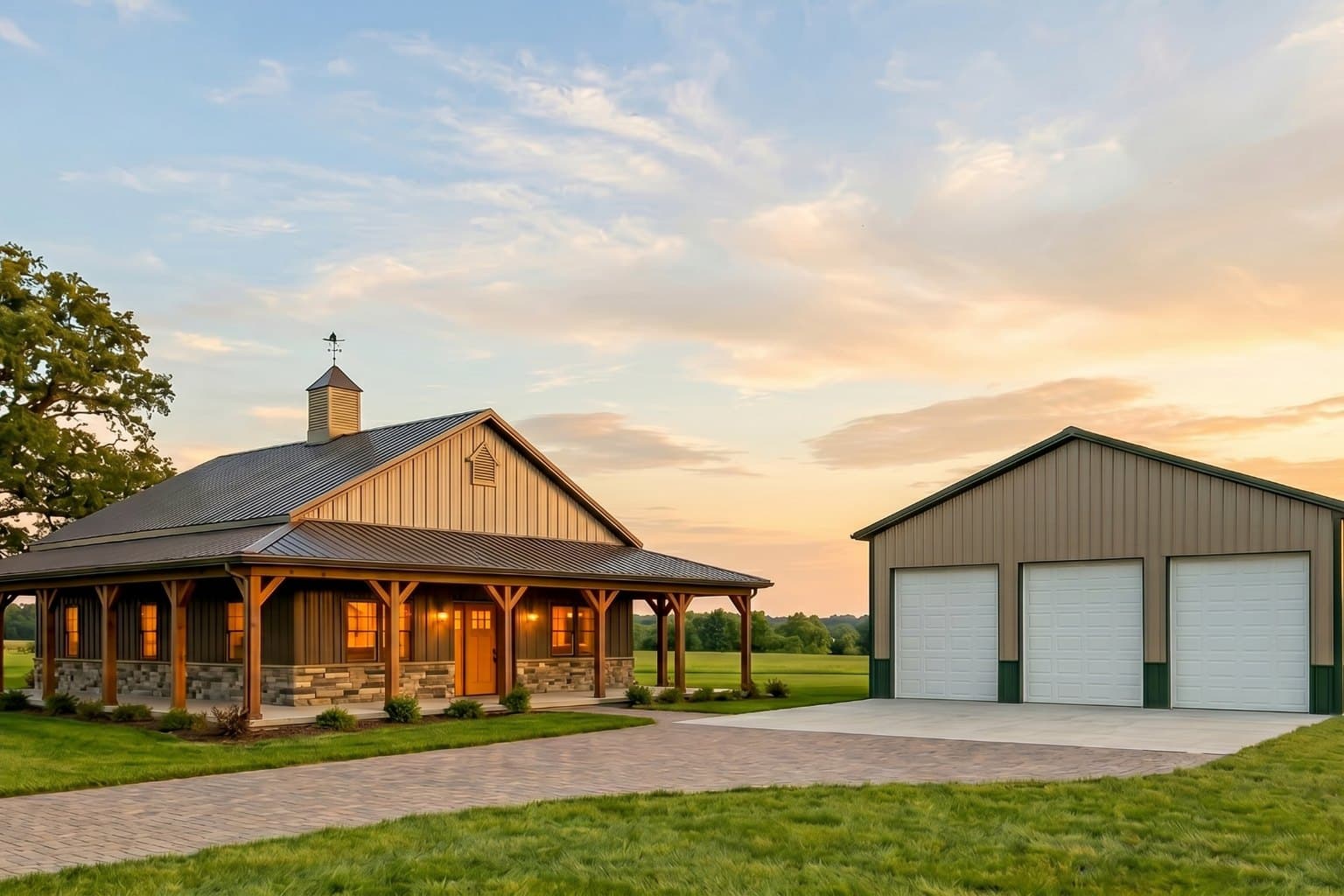
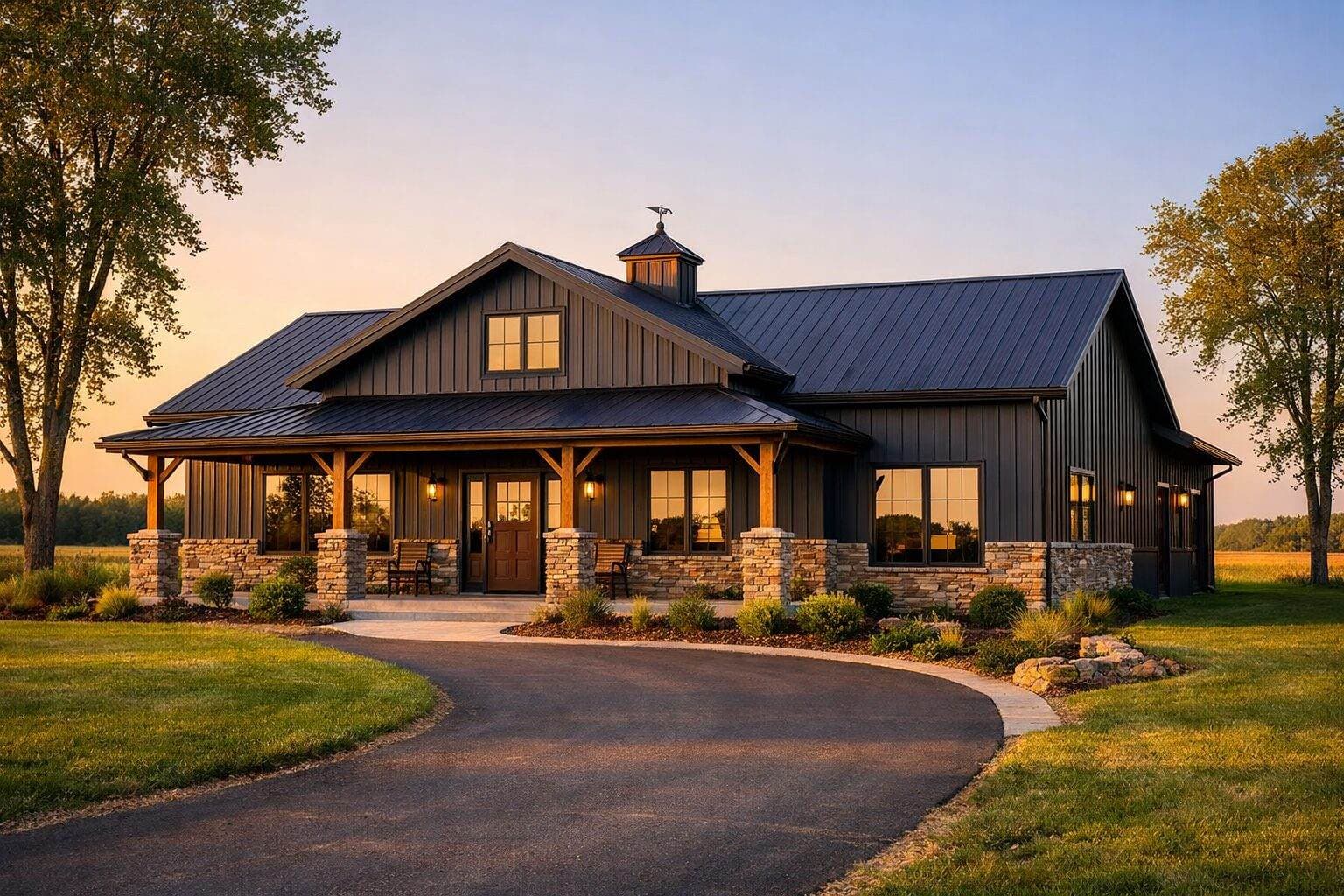
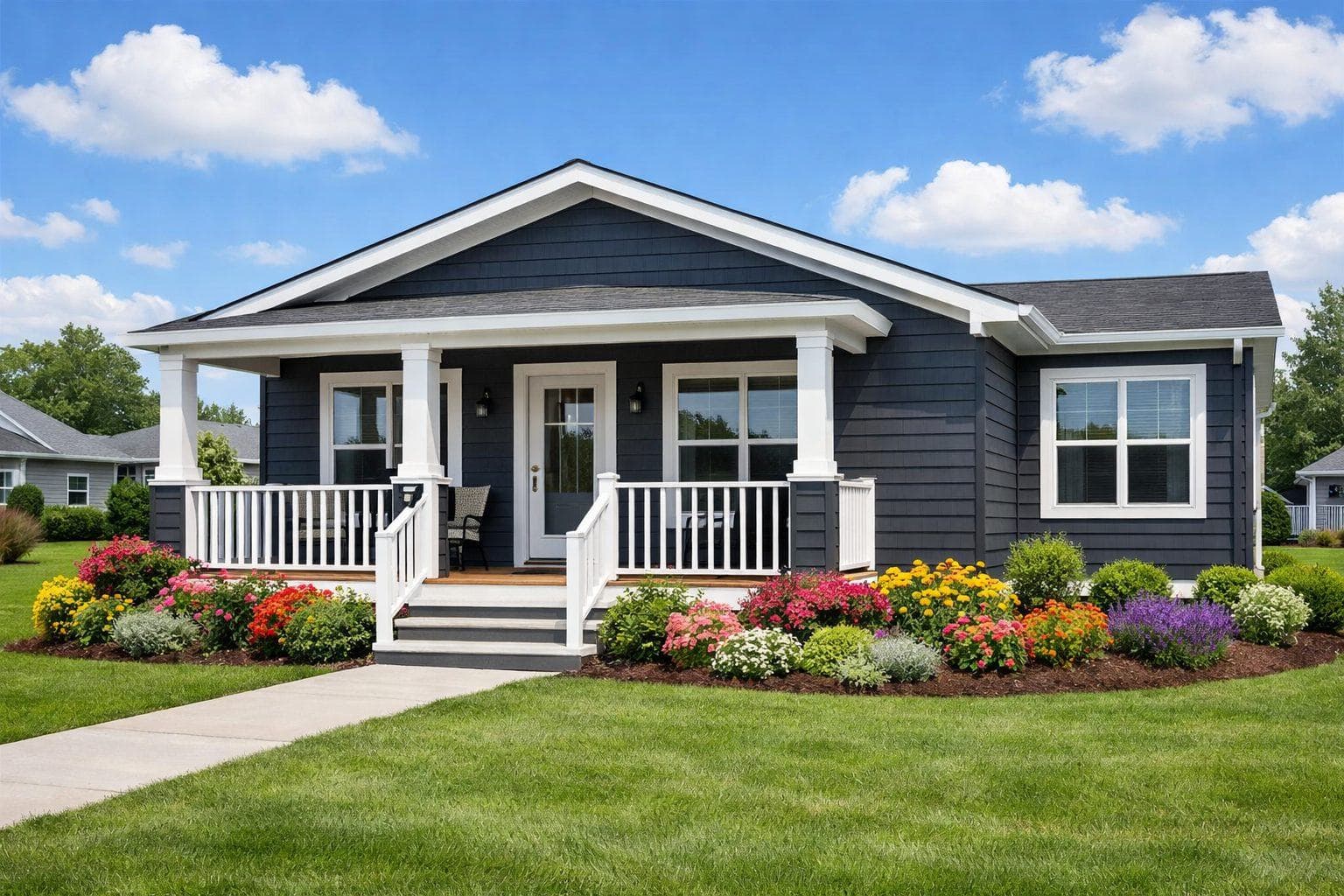
Pole Barns
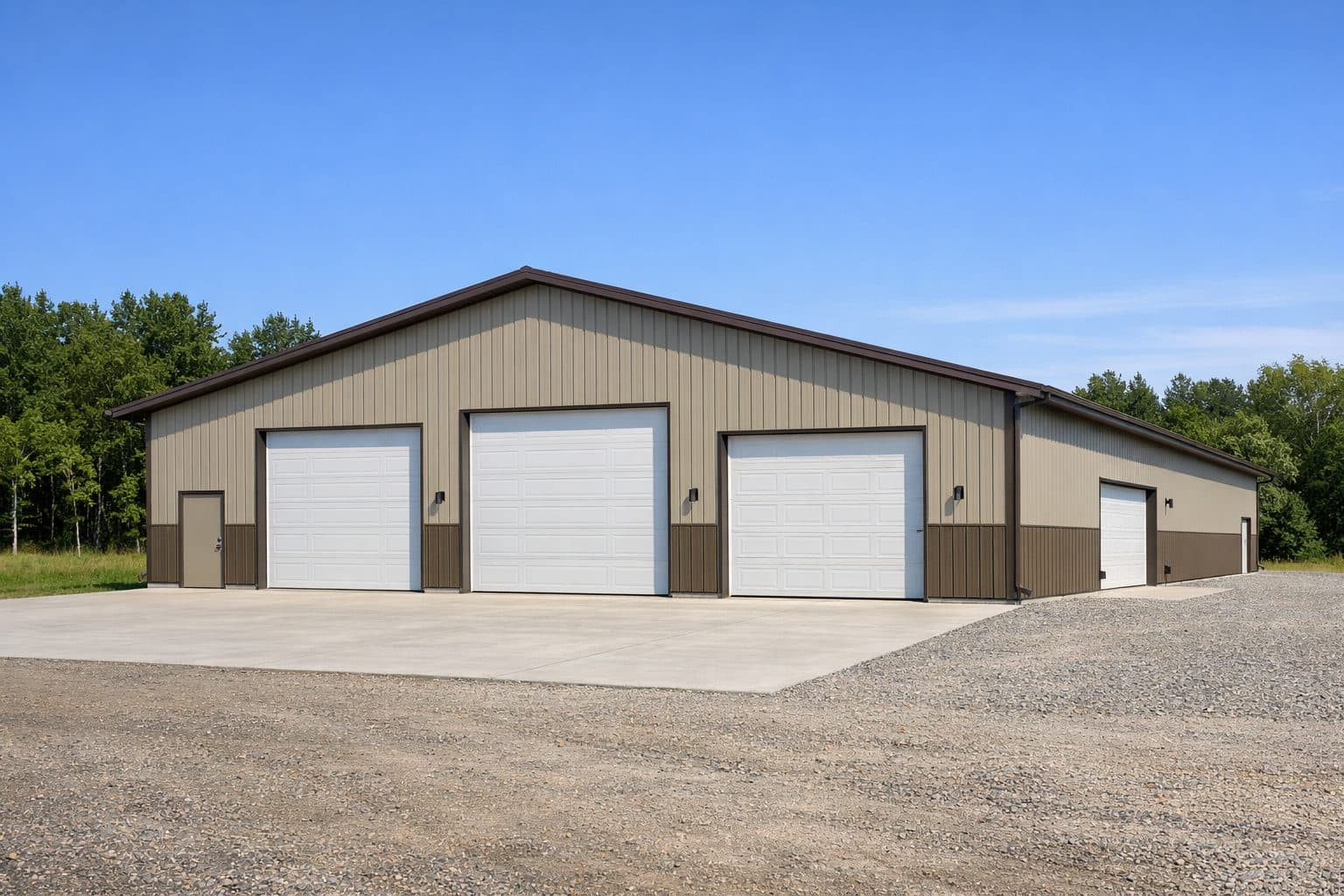
General Storage & Garages
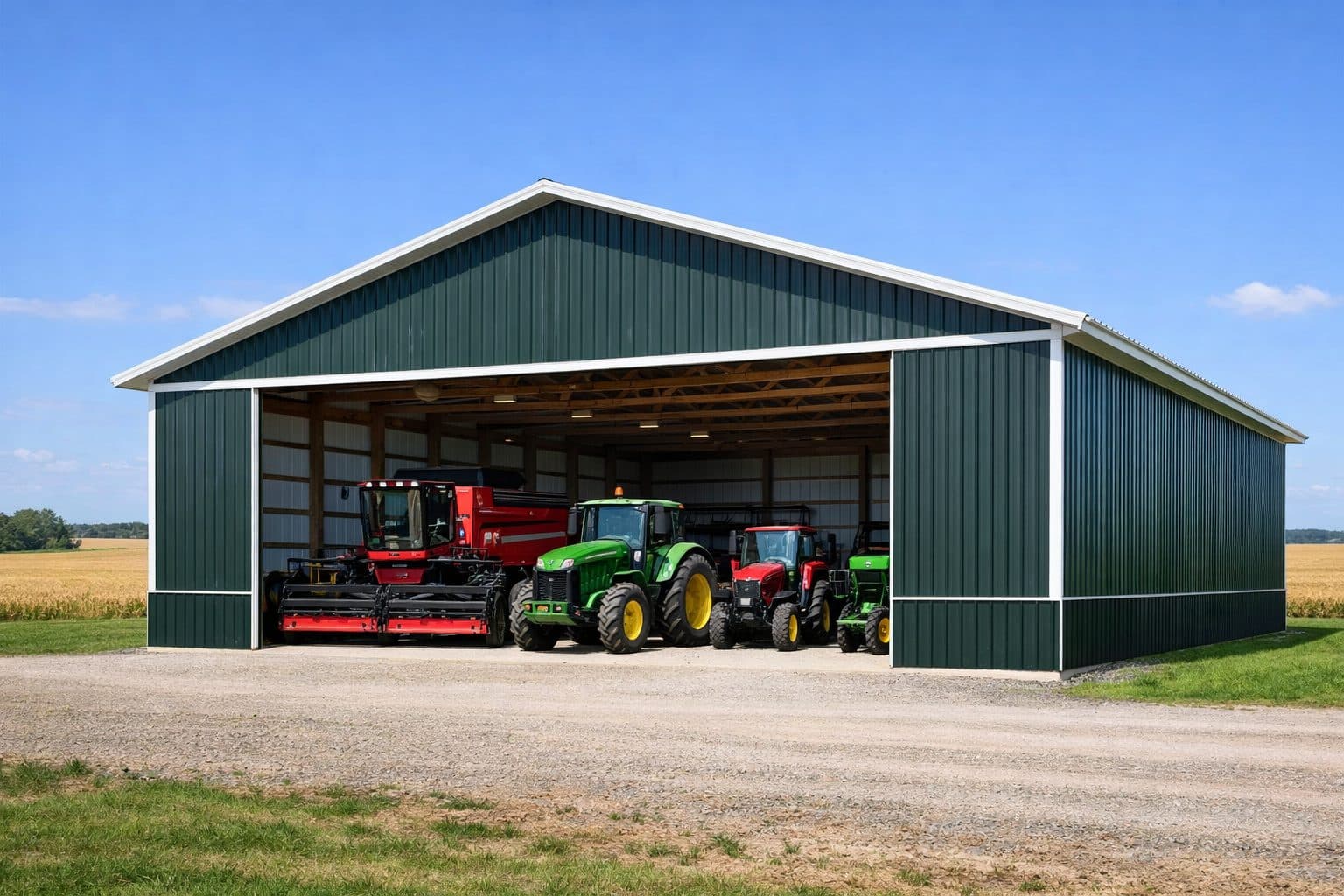
Agriculture & Machine Sheds
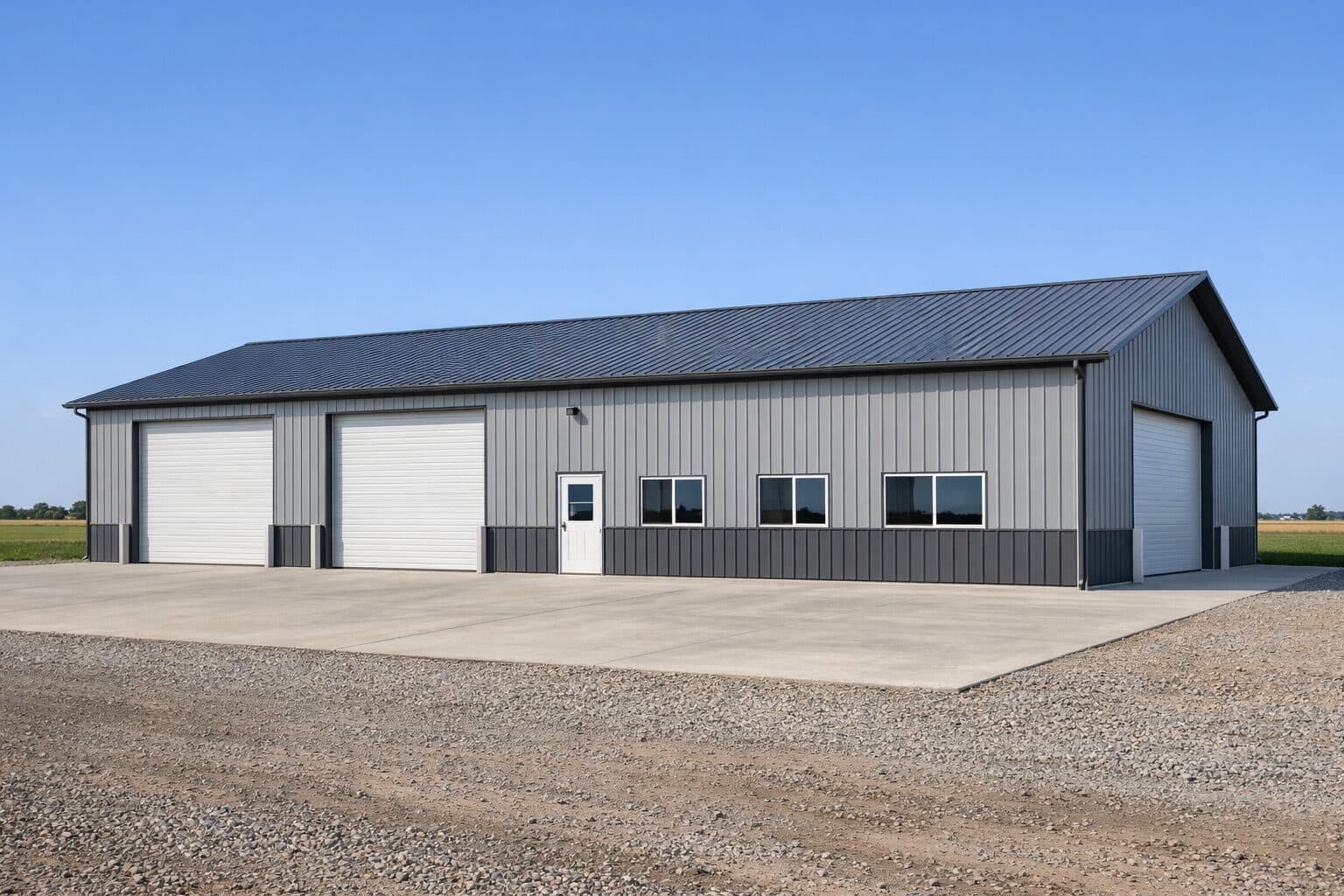
Commercial Buildings
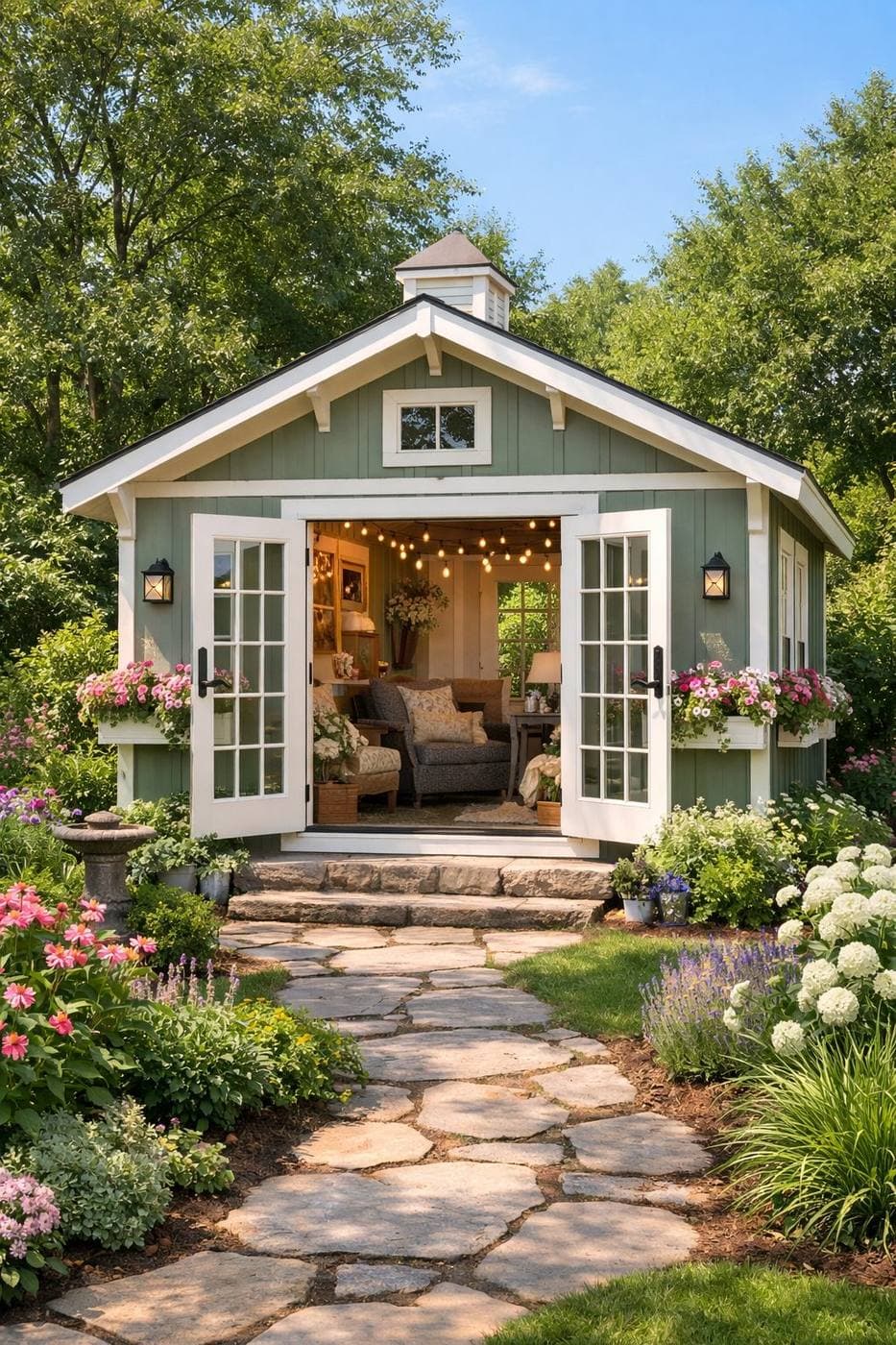
She Sheds
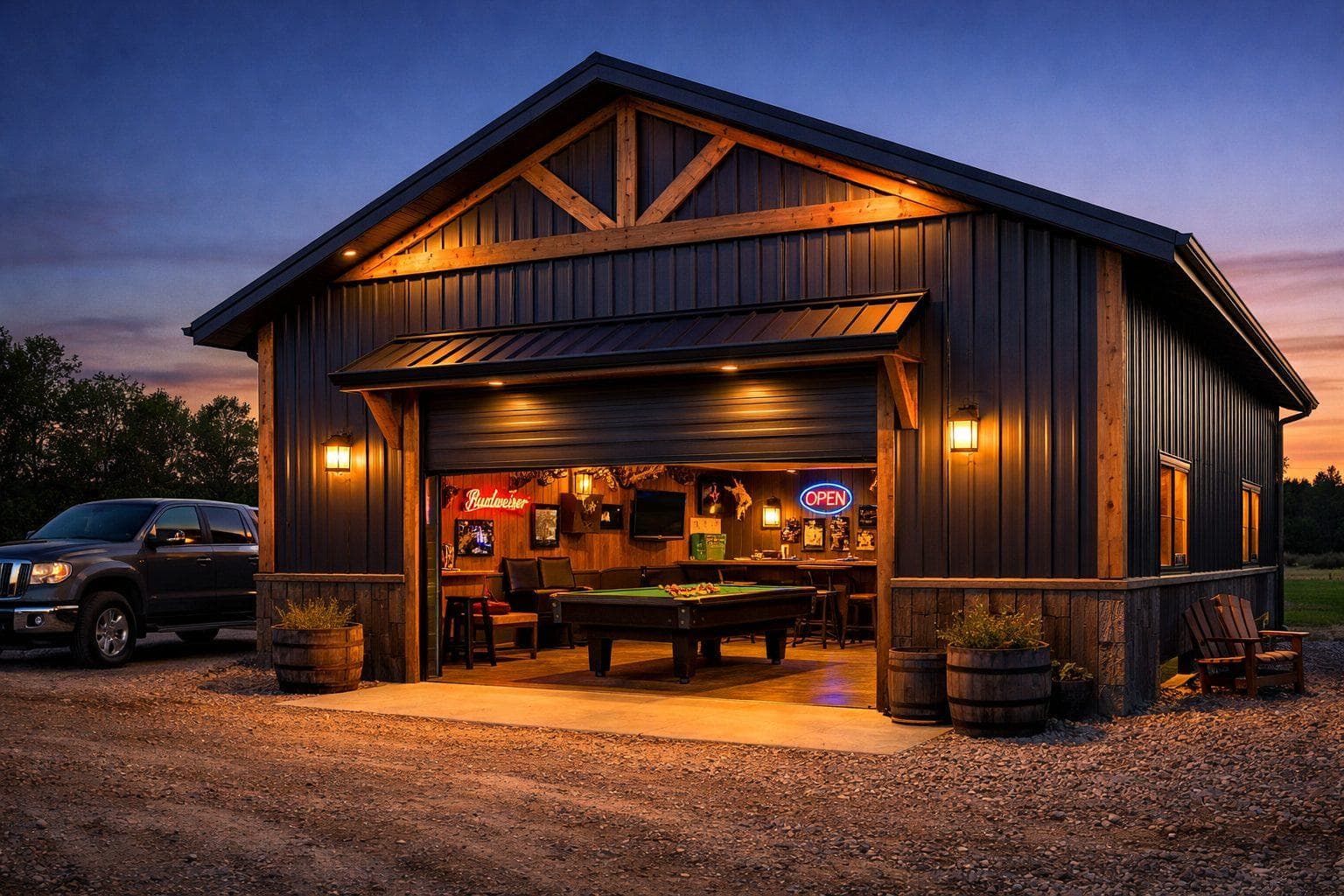
Man Caves